Natural vs. Chemical Termite Treatments: What’s Best for Your Home?
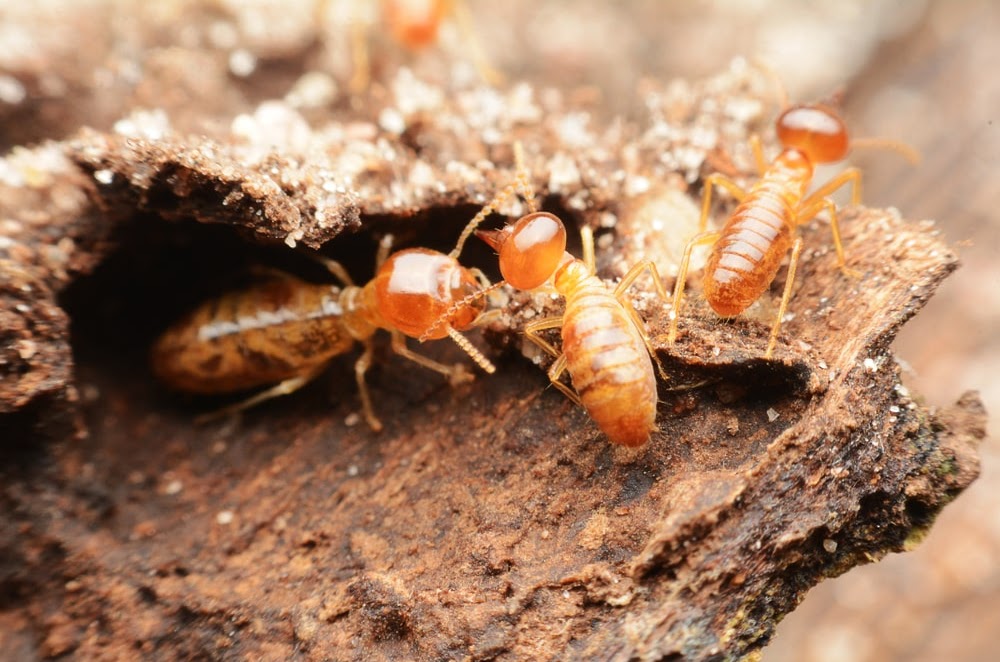
Termites are among the most destructive pests a homeowner can face. These tiny invaders are capable of causing thousands of dollars in structural damage—often before you even realize they’re there. Fortunately, there are effective ways to get rid of them. But when it comes to choosing the right termite treatment, homeowners are often faced with an important decision: natural or chemical?
Each method has its own set of pros and cons. The best option for your home depends on a range of factors, including the severity of the infestation, environmental concerns, long-term effectiveness, and even your family’s health. This article explores both natural and chemical termite treatments in depth to help you make an informed decision.
Understanding the Termite Problem
Before diving into treatment options, it's essential to understand how termites operate. These insects live in large colonies and feed primarily on wood and other materials rich in cellulose. Subterranean termites—the most common type in the Australia—build tunnels from the soil into your home, while drywood termites infest furniture, support beams, and flooring directly.
Since termites are difficult to detect until substantial damage has occurred, regular monitoring and early intervention are crucial. A professional termite inspection Gold Coast is often the first step in identifying whether you’re dealing with a minor issue or a full-blown infestation.
What Are Natural Termite Treatments?
Natural termite treatments use non-toxic, eco-friendly methods to deter or eliminate termites. These solutions are often preferred by homeowners who are concerned about the health and environmental impacts of chemical pesticides. Some of the most commonly used natural methods include:
1. Beneficial Nematodes
These microscopic worms are natural predators of termites. They enter the termite's body and release bacteria that kill the host within 48 hours. Nematodes are safe for humans, pets, and plants and are most effective in moist soil environments.
2. Orange Oil
Extracted from orange peels, d-limonene (the active compound in orange oil) is toxic to termites upon direct contact. It’s typically injected into wood where termite activity is present. Orange oil treatments are considered effective for localized infestations but are less useful for larger or hidden colonies.
3. Boric Acid
Boric acid is a naturally occurring compound that can be used in powder or spray form. It damages termites' digestive systems and ultimately kills them. Like orange oil, it works best for surface or spot treatments.
4. Diatomaceous Earth
Made from fossilized aquatic organisms, diatomaceous earth damages the exoskeletons of termites, causing them to dehydrate and die. It must be applied directly to termite pathways or nests to be effective.
Pros and Cons of Natural Treatments
Pros:
-
Eco-friendly and non-toxic: Safe for children, pets, and the environment.
-
Good for minor infestations: Can be effective in early-stage or localized termite problems.
-
Less invasive: Often doesn't require you to vacate your home during treatment.
Cons:
-
Limited effectiveness: May not eliminate entire colonies or prevent re-infestation.
-
Shorter duration: Natural treatments often need to be reapplied regularly.
-
Not suitable for severe infestations: Larger or hidden colonies typically require more aggressive action.
What Are Chemical Termite Treatments?
Chemical treatments use synthetic substances to kill or repel termites. They are typically applied by professionals and are regulated to ensure safe use around humans and animals. There are several types of chemical termite treatments:
1. Liquid Termiticides
These are applied around the perimeter of your home to create a protective barrier. Termites that come into contact with the treated soil die or carry the poison back to the colony, leading to widespread extermination.
2. Baiting Systems
Chemical baits are strategically placed around the property. Termites feed on the bait and return to the nest, spreading the poison to others. This method can eliminate entire colonies over time.
3. Fumigation
This is used for severe infestations, particularly with drywood termites. The entire home is sealed and filled with a gas that penetrates walls, floors, and furniture to kill termites.
Pros and Cons of Chemical Treatments
Pros:
-
Highly effective: Capable of eliminating entire colonies.
-
Long-lasting: Some treatments offer protection for up to 10 years.
-
Quick results: Especially when used for serious infestations.
Cons:
-
Toxicity: Some treatments may pose health risks if not applied correctly.
-
Environmental impact: Chemical residues can harm beneficial insects or pollute nearby soil and water.
-
Invasive process: Some methods, like fumigation, may require you to leave your home temporarily.
How to Choose the Right Termite Treatment for Your Home
When deciding between natural and chemical termite treatments, it’s important to consider the following:
1. Severity of the Infestation
-
Natural treatments are ideal for early-stage or localized infestations.
-
Chemical treatments are better suited for widespread or severe infestations.
2. Health and Environmental Concerns
If you have children, pets, or someone with respiratory issues in the home, natural options may offer peace of mind. However, many modern chemical treatments are formulated to minimize risks when applied professionally.
3. Budget and Maintenance
Natural treatments often require more frequent applications, which can add up over time. Chemical solutions, while more expensive upfront, may provide longer-lasting protection with fewer follow-ups.
4. Location and Accessibility
If termites are in hard-to-reach areas, chemical solutions like fumigation or baiting systems may be the only effective options. Natural methods often require direct application, which isn’t always possible.
When to Call in the Professionals
While some homeowners opt to tackle termite problems on their own, it's usually wise to consult a licensed pest control expert. A thorough termite inspection will determine the type of termites you’re dealing with, the extent of the damage, and the most effective treatment plan.
Professionals can also combine both approaches, using natural treatments in sensitive areas and chemical solutions where necessary. This hybrid approach can offer the best of both worlds: effective control and reduced environmental impact.
Conclusion
When it comes to protecting your home from termites, there’s no one-size-fits-all solution. Natural termite treatments offer eco-friendly and non-toxic options for small infestations, while chemical treatments provide powerful, long-lasting protection for more severe problems.
The key is understanding the specific needs of your home and the extent of the infestation. A professional termite inspection can provide the information you need to make an informed decision. Whether you choose natural methods, chemical solutions, or a combination of both, the most important thing is to act quickly—because with termites, time is not on your side.