How to Pass Your End of Lease Inspection with Professional Pest Control
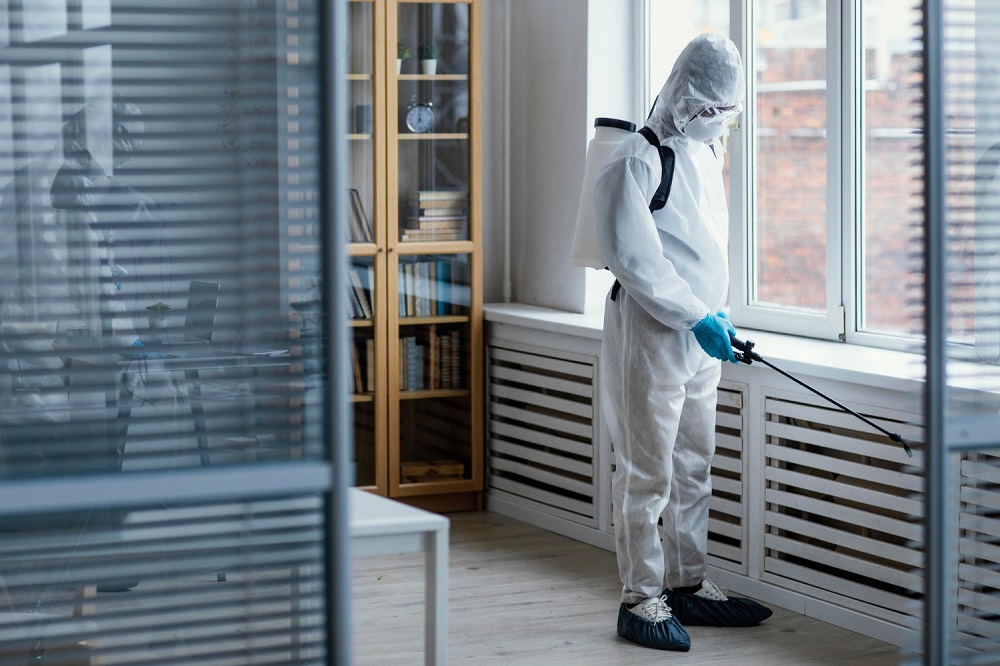
Moving out of a rental property can be both an exciting and stressful experience. As you pack up your belongings and prepare to say goodbye to your home, there’s one critical aspect of the process that can make or break your chances of getting your full bond back: the end of lease inspection. One of the most commonly overlooked but essential requirements of this inspection is professional pest control.
Whether you're moving out of a beachfront apartment on the Gold Coast or a suburban home, ensuring that the property is pest-free is often a stipulation in the lease agreement. A failure to address pest-related issues could lead to bond deductions or even the need for additional treatments before you can officially move out. In this article, we’ll guide you through how to pass your end of lease inspection with professional pest control services and why it's essential to handle this task correctly.
Why Pest Control Matters for End of Lease Inspections
Before diving into the specifics, it’s important to understand why pest control is such a crucial part of the end-of-lease process. According to the Residential Tenancies and Rooming Accommodation Act in Queensland, tenants are required to return the property in the same condition it was at the beginning of the lease, allowing for fair wear and tear. This means that the property should be free of pests, as well as in good physical and hygienic condition.
Landlords and property managers often stipulate that the property be returned pest-free as part of the lease agreement. This is particularly important in environments like the Gold Coast, where the warm climate can attract a variety of pests such as cockroaches, termites, ants, rodents, and spiders.
Failing to ensure the property is pest-free at the time of inspection can result in:
-
Bond deductions to cover the cost of pest treatments.
-
Disputes with your landlord or property manager.
-
Additional cleaning or fumigation services required to address pest problems.
With this in mind, ensuring that pest control is taken care of before the final inspection is key to passing with flying colours and securing your full bond refund.
Step-by-Step Guide to Passing Your End of Lease Inspection with Professional Pest Control
1. Review Your Lease Agreement
The first step in ensuring you meet all the pest control requirements is to carefully review your lease agreement. Many lease contracts contain clauses that specify whether the tenant is responsible for pest control at the end of the tenancy. Some agreements explicitly state that the tenant is required to organise and pay for pest control services before moving out, while others may not mention it at all.
Mistake to avoid: Assuming pest control is not necessary just because it wasn’t mentioned upfront. Many landlords expect the property to be pest-free upon move-out, even if they haven’t explicitly included it in the lease agreement.
How to avoid it: Make sure you review the lease for any specific clauses related to pest control. If you’re unsure, contact your landlord or property manager to clarify whether pest control is required. This ensures that you’re on the same page and avoids surprises later.
2. Address Pest Issues Early
If you’ve noticed any pests during your tenancy, it's crucial to address the problem early. Waiting until the last minute to organise pest control can lead to poor results and missed opportunities for the treatment to work effectively.
Mistake to avoid: Leaving pest issues unresolved until the week before the inspection.
How to avoid it: If you notice pests such as cockroaches, ants, spiders, or rodents in the property, schedule pest control as soon as possible. Professional pest control services usually require advanced bookings, and trying to schedule it at the last minute could lead to scheduling conflicts, rushed treatments, or insufficient time for pests to be eliminated.
By arranging for pest control a few days or even a week before your final inspection, you give the treatment time to work effectively and ensure that the property is in the best possible condition when the landlord arrives.
3. Hire a Professional Pest Control Service
While DIY treatments may seem like a cheap option, professional pest control is typically required for end-of-lease pest control. This is not only to meet the expectations of the landlord but also to ensure the job is done thoroughly and effectively.
Mistake to avoid: Attempting to handle pest control yourself with over-the-counter products.
How to avoid it: Always hire a licensed and experienced pest control company. Professionals will have the right knowledge, equipment, and expertise to identify the type of pests in the property and apply the most effective treatment. In addition, licensed pest control services provide a certificate of treatment that serves as proof of the pest control treatment, which can be submitted to your landlord or property manager.
This certificate can help avoid disputes and provides confirmation that the property was treated for pests, which is critical for getting your bond back. Professional services also have access to stronger, more effective treatments than what is available to the public, ensuring the property is truly pest-free.
4. Clean the Property Before Pest Control
Pest control treatments work best in a clean environment. A messy or cluttered property can hinder the pest control process, making it harder for the technician to apply treatments effectively, especially in hard-to-reach areas.
Mistake to avoid: Failing to clean the property before the pest control service arrives.
How to avoid it: Before the pest control technician arrives, thoroughly clean the property. Focus on high-traffic areas like the kitchen and bathroom, where pests like cockroaches and ants are often found. Remove food crumbs, grease, and other attractants to make the treatment more effective.
If you’ve had pets, be sure to vacuum carpets and furniture, as fleas can leave eggs and larvae behind. Also, clear out any clutter to allow the pest control technician to treat all areas of the home, including corners, behind appliances, and under furniture.
5. Treat for Specific Pests
Different pests require different treatments, so it’s important to address the right type of pest when scheduling your end-of-lease pest control. For example, fleas require a different treatment than termites or cockroaches, so make sure to mention any specific pest issues when you call the pest control company.
Mistake to avoid: Overlooking specific pest issues in the home.
How to avoid it: Be upfront with the pest control provider about any pests you’ve noticed during your tenancy. If you’ve had pets, be sure to request a flea treatment. If you live in an area prone to termites, request a termite inspection and treatment. A professional pest control technician will ensure the treatment addresses all potential pest issues.
6. Keep a Copy of the Pest Control Certificate
Once the pest control service is completed, always request a certificate of treatment from the pest control provider. This certificate serves as official documentation that the property has been treated for pests and can be submitted to your landlord or property manager.
Mistake to avoid: Not keeping records of pest control treatment.
How to avoid it: Keep a copy of the certificate of treatment for your records. You may need to provide this as proof that the property was treated according to the lease agreement. Without this certificate, it could be difficult to prove that pest control was performed, and this could lead to delays or deductions from your bond.
7. Conduct a Final Walkthrough Before the Inspection
Once the pest control treatment is completed, conduct a final walkthrough of the property before your inspection. Check for any remaining pest issues, such as dead insects or signs of rodent activity. Look for cockroaches, spider webs, or rodent droppings in areas that were treated.
Mistake to avoid: Neglecting to do a final inspection after pest control.
How to avoid it: Walk through the property and inspect areas that were treated. If you notice any lingering issues, consider scheduling a follow-up treatment or addressing the problem before the final inspection. By doing this, you’ll ensure that everything is pest-free and ready for inspection.
Conclusion
Passing your end-of-lease inspection on the Gold Coast doesn’t have to be a stressful experience. By ensuring professional pest control is handled properly, you can significantly increase your chances of getting your full bond back. Start by reviewing your lease agreement, addressing pest issues early, and hiring a licensed pest control provider who can effectively treat the property for pests.
By following these tips and avoiding common mistakes, you can leave your rental property in a pest-free condition that meets the expectations of your landlord or property manager. Taking the time to get pest control right ensures that your move-out process will go smoothly, and that you can focus on the next chapter in your life without worrying about pest-related issues.