How Termites Enter Your Home—and How to Stop Them
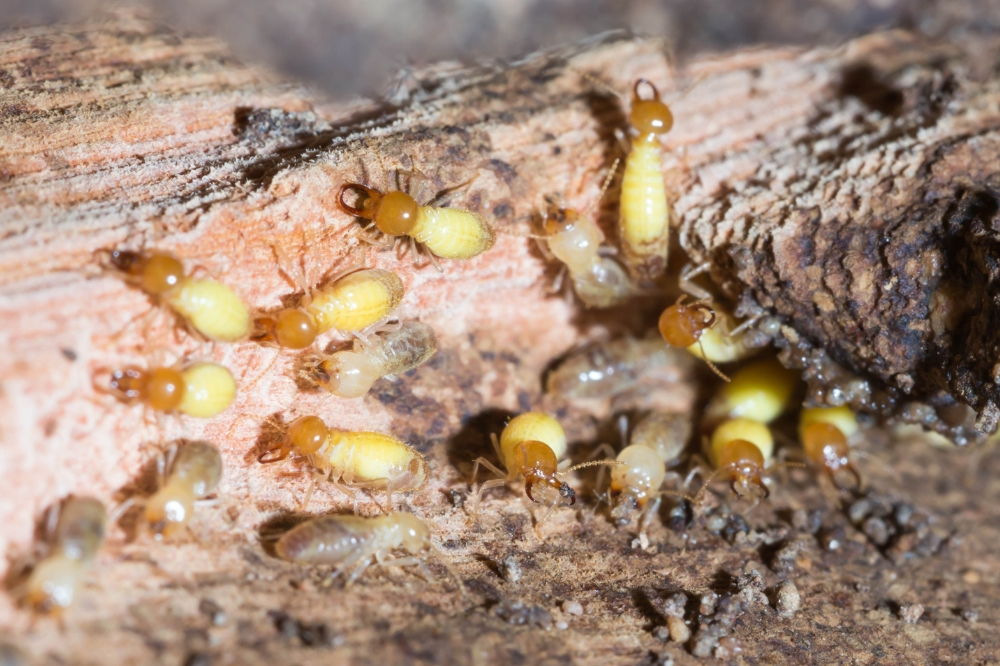
Termites are small but highly resourceful creatures. Different species use various tactics to find entry into homes, depending on environmental conditions and the structure’s design.
1. Through Soil-to-Wood Contact
The most common entry method for subterranean termites (the most destructive type in the U.S.) is through soil that comes into direct contact with wooden parts of a home.
How it Happens:
-
Wooden posts, deck supports, siding, or steps that touch the ground give termites a direct path to food.
-
Moist soil provides the ideal habitat for subterranean termites to build mud tubes and reach the structure unnoticed.
How to Stop It:
-
Eliminate all direct wood-to-soil contact.
-
Use concrete or metal barriers for structural supports.
-
Maintain at least a 6-inch gap between the soil and any wood elements of your home.
2. Cracks in Foundations and Concrete
Contrary to popular belief, termites don't need exposed wood to get into your home—they can also enter through tiny cracks in concrete slabs or foundations.
How it Happens:
-
Subterranean termites can squeeze through gaps as small as 1/32 of an inch.
-
Once inside, they can tunnel into wood that’s behind or beneath walls and floors.
How to Stop It:
-
Seal all foundation cracks with waterproof concrete caulk.
-
Use metal termite shields or physical barriers in crawl spaces and basements.
-
Install a chemical barrier or treat the soil around your foundation with termiticide.
3. Gaps Around Utility Lines and Pipes
Plumbing and electrical entry points are often overlooked areas where termites find easy access to your home.
How it Happens:
-
Termites exploit tiny openings where pipes or wiring pass through walls or foundations.
-
These areas are often moist from condensation, which makes them more attractive.
How to Stop It:
-
Use expanding foam or silicone-based caulk to seal around utility penetrations.
-
Regularly inspect areas under sinks, behind appliances, and in crawl spaces for signs of moisture or mud tubes.
4. Attic Vents and Roof Openings
Drywood termites, unlike their subterranean cousins, do not need contact with the soil and can enter from above.
How it Happens:
-
Drywood termites can fly and swarm into attics through roof vents, soffits, or damaged shingles.
-
They often infest roof trusses, attic beams, and upper wall voids.
How to Stop It:
-
Install fine mesh screens over vents and soffits.
-
Keep gutters clean and ensure proper drainage from your roof.
-
Replace damaged or missing roof tiles or shingles promptly.
5. Expansion Joints and Porch Additions
Structures added onto a home—like porches or patios—are often built with less attention to termite protection.
How it Happens:
-
Termites may access expansion joints or the connection between the old and new structure.
-
These junctions often have unsealed cracks or untreated wood.
How to Stop It:
-
When building new additions, use termite-resistant materials or pressure-treated wood.
-
Install chemical or physical termite barriers in the construction process.
-
Have professionals inspect joint areas annually.
What Attracts Termites to Your Home?
Knowing how termites enter is just one part of the equation. Preventing infestations also means understanding what draws them in. Termites are primarily attracted to three things: moisture, wood, and warmth.
Moisture
-
Leaky pipes, clogged gutters, poor drainage, and standing water provide an ideal environment.
-
Wet wood is easier for termites to chew and nest in.
Wood and Cellulose Materials
-
Termites feed on cellulose, which is found in wood, cardboard, paper, and even some fabrics.
-
Piles of firewood, wooden mulch, or leftover construction materials near the house are big attractions.
Darkness and Shelter
-
Termites avoid light and thrive in dark, undisturbed areas such as crawl spaces, basements, and behind walls.
How to Keep Termites Out: Prevention Strategies
Preventing termites is far easier and cheaper than eliminating them once they've moved in. Here's how to keep your home protected:
1. Fix Moisture Problems
-
Repair leaking faucets, pipes, and HVAC units.
-
Use dehumidifiers in damp areas like basements and crawl spaces.
-
Make sure downspouts and gutters divert water away from the foundation.
2. Maintain Proper Drainage
-
Ensure your yard slopes away from your home's foundation.
-
Avoid planting trees or shrubs too close to the structure.
-
Use gravel instead of mulch near foundation walls.
3. Remove Wood and Debris Near the House
-
Store firewood at least 20 feet from the home and 5 inches off the ground.
-
Don’t stack cardboard boxes or wooden pallets directly on the ground.
-
Regularly clear away fallen branches, old stumps, and other wood debris.
4. Use Termite-Resistant Materials
-
Opt for pressure-treated wood or naturally termite-resistant wood species like redwood or cedar in outdoor projects.
-
Use steel mesh, sand barriers, or termite shields during construction or renovations.
5. Have Regular Termite Inspections
-
Schedule a professional termite inspection once a year, especially if you live in a high-risk region.
-
Early detection can prevent massive repairs and save thousands of dollars.
6. Install a Termite Baiting or Monitoring System
-
Bait stations placed around the perimeter of your home can detect termite activity early.
-
Some newer systems even include smart sensors and mobile alerts for real-time monitoring.
Signs Termites May Already Be Inside
Even if you’ve taken precautions, it's important to recognize early warning signs of a termite infestation:
-
Mud tubes on walls, foundations, or crawl spaces.
-
Swarming insects (especially in spring) or discarded wings.
-
Hollow-sounding wood or sagging floors.
-
Bubbling or cracked paint that looks like water damage.
-
Frass (termite droppings) near baseboards or windowsills.
If you notice any of these, contact a licensed pest control professional immediately.
Final Thoughts
Termites may be small, but their potential for damage is enormous. Fortunately, with a solid understanding of how they enter your home, what attracts them, and how to prevent them, you can dramatically reduce your risk of infestation.
The key is vigilance: seal entry points, eliminate moisture, remove wood sources near your home, and schedule regular inspections. Whether you’re in a new build or an older home, proactive termite control can save you significant time, stress, and money down the line.